
Flying Coffins

I’m having a bit of a week… I’m a bit cross about something (it has been 48 hours), I’ve had a headache for three days straight now and my brain can’t really focus on a subject to write on. For no particular reason I thought of this and thought I would write an opinion piece and throw some ideas around. I feel I should preface that this is not necessarily steeped in deep research and lots of facts.
Wikipedia defines a Flying Coffin as:
Flying coffin is a pejorative term for an aircraft perceived by crews or the public to have a poor safety record or low combat effectiveness.
It then lists several aircraft none of which I’ll be writing about today - much to my surprise!
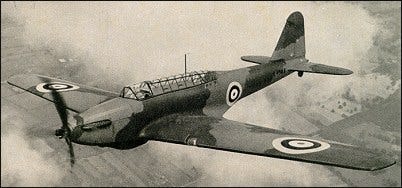
A while ago I wrote about Fairey Battles as part of my book on RAF bombers during the early stages of World War Two and the phrase “Flying Coffin” was thrown around quite freely by several people on social media. Same again whenever I write about Blackburn Skuas or mention Boulton Paul Defiants so I thought I would write about why maybe this title is thrown around far too liberally and that the aircraft are probably better than you think they are and under better circumstances would be amazing or at least been useful.
The story of the Fairey Battle is well known and is considered by many as the RAF’s greatest Flying Coffin but it is a somewhat unfair position.
The Fairey Battle was the RAF’s first non-biplane light bomber and was part of a massive rearmament program/panic at the end of the 1930s and it was a massive improvement on the Hawker Hart and its variants but there were some serious drawbacks. Firstly the armour was poor, the Merlin engine was somewhat under powered and the defensive armament was somewhat poor and the bomb load was a bit on the light side. The RAF ordered it near enough from the drawing board and that always leads to problems.
However, the Battle was a superb aircraft and outpaced the contemporary fighters the RAF had with the Vickers K in the turret was enough to scare off the enemy. When it came to armour it was thought it would be going fast enough to avoid light fire and in their experience close support of the infantry would see the enemy fleeing or taking cover.
There was one major drawback to the Battle’s highlights - the Bf 109.
When the Battle of France commenced the Luftwaffe raided the British airfields in the morning and taking over temporary aerial superiority over the Bf 109s took the Battles apart and losses were horrendous. They also found that the lack of armour was problematic when the Germans held their ground and started firing back with everything they had to hand and they also had good flak guns of different calibres.
After the Battle of France the Fairey Battles weren’t retired, mainly because there were no replacements at the time but they served throughout the summer of 1940 attacking German port facilities and barges, usually at night time to protect them, before being retired to the Air training schools.
Yes the Battle was flawed but the war it was designed for didn’t happen and the superiority of the new single seat fighters were so powerful that no bomber aircraft could survive in action including the Blenheim and even the mighty Wellington. I think the reason the Battle gets a bad press is because of the massacres of the first few days of the Battle of France and the VC action of Garland and Grey when the Battles attacked bridges and suffered majority losses for nothing where as the Blenheim and Wellingtons went on to have brighter careers (especially for the Wellington). I’ll get to it in a minute but the Battle is comparable to the Stuka in that regard.
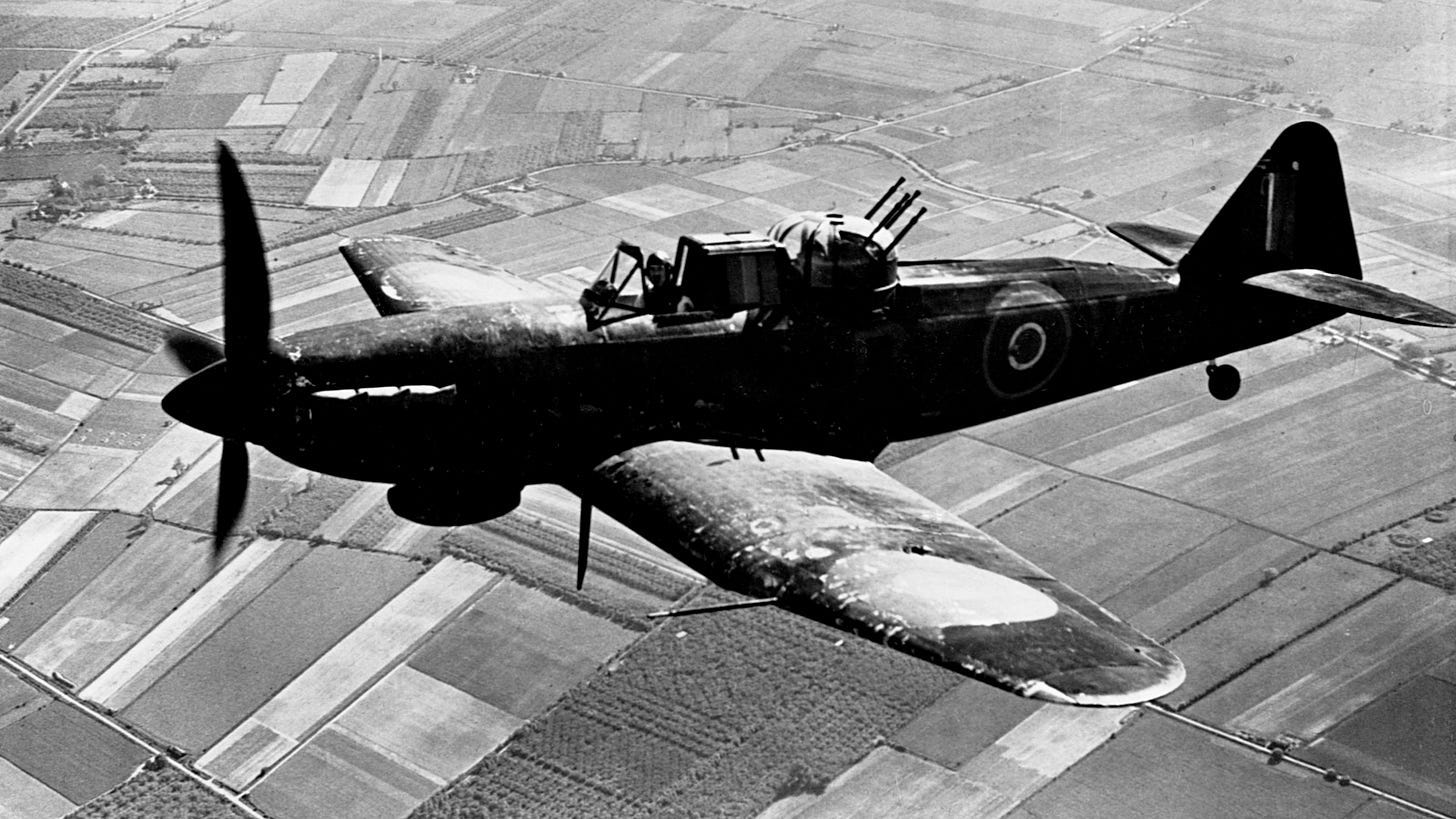
The Boulton Paul Defiant is sort of a death trap though. The idea of turret fighters was a bit of an odd idea to begin with but something that was entertained for far too long. On paper it kind of makes sense in a world where the thought of “the bomber will get through” anything that could bring one down has to be seen as a good thing, especially with the theories postulated by Douhet that painted armageddon for civilian centres when they did. The Defiant would fly among the bomber stream and fire all four .303s into the side of the aircraft destroying it.
When it came to the Battle of Britain though, the Defiants proved exceptionally vulnerable to enemy fighters (once they had realised they weren’t Hurricanes and attacking from the rear led to certain death). The other issue was that the gunner had to turn the turret around to expose the escape door and then jump, which if your aircraft is on fire and you are still under fire or injured.
The saving grace is that the Defiant was not designed to go toe to toe with escorting fighters and were supposed to only engage the bombers which meant the other fighter squadrons were tasked with keeping the Bf 109s away from them but this is just not possible. After a brief period as a night fighter the Defiant was retired to air training squadrons for air gunnery or target towing.
Although the Defiant is a beautiful aircraft, in my opinion, it was a flawed concept that was always going to struggle in combat zones where enemy fighters were present and wherever there were bombers there would, normally, be a fighter escort,
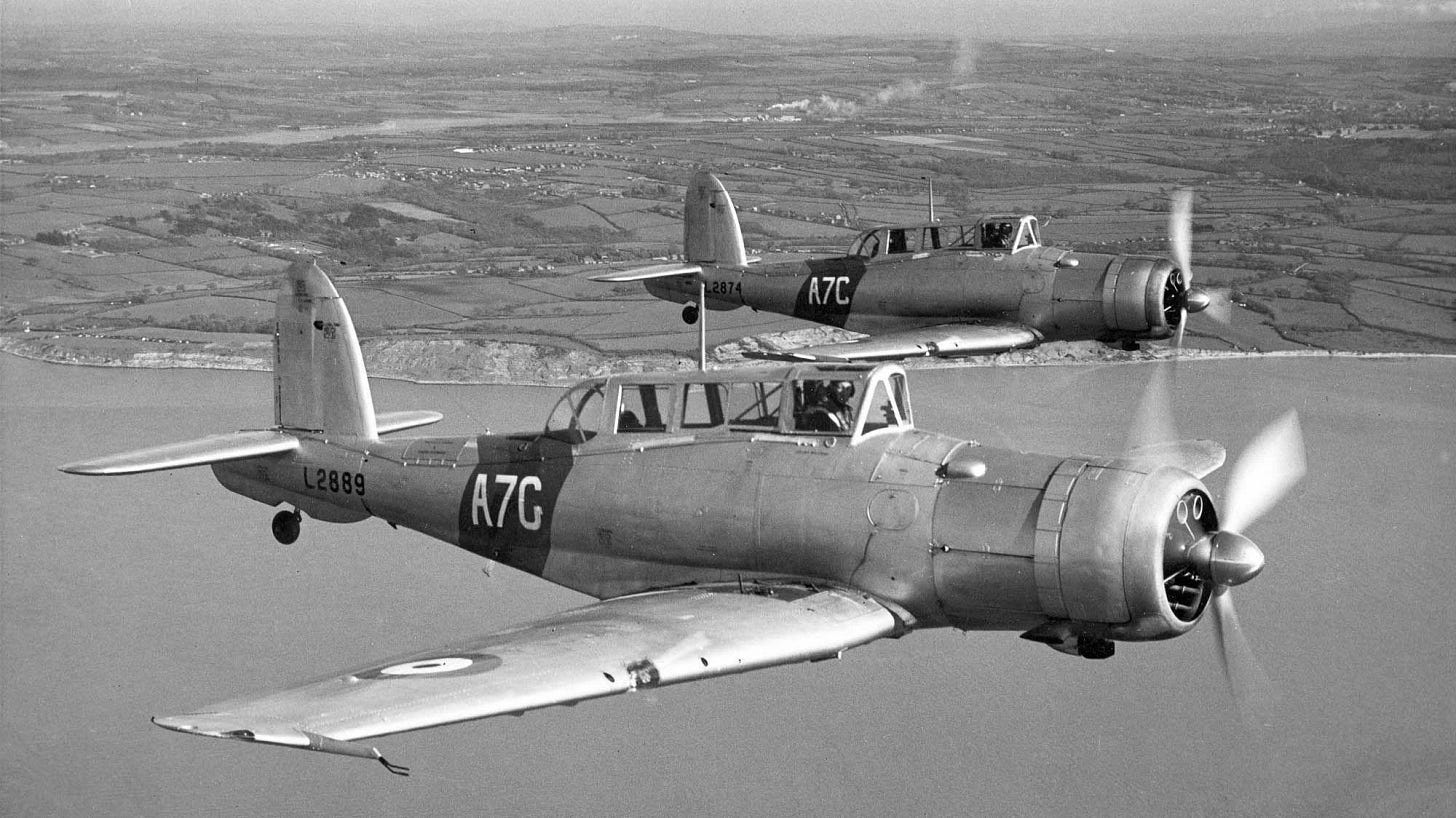
The Skua, much like the Battle (and Stuka) was a product of the 1930s rearmament and budgetary constraints on the Fleet Air Arm. The Skua was a good dive bomber and the crews found it easy to fly and carried a standard bomb load but it suffered from the usual weak defensive armament in the solitary rear facing Vickers K and a lack of armour as well as having the fuel tanks around the gunner. The Skua also had wing mounted guns as she was a fighter/divebomber and was meant to assist defend the Carrier by intercepting any enemy bombers coming in which for a 1930s aircraft carrier campaign was fine, afterall the Royal Navy’s torpedo bomber was the slow Swordfish and a Skua could catch and shoot it down.
As we’re seeing though the War it was designed for was not what occurred and the Fleet Air Arm found itself engaged in raids against Norway from Carriers and Orkneys well within range of the Luftwaffe’s fighters and this was only exacerbated by the campaign over France. The Skua was no match for enemy fighters and in the fighter role she was too slow to keep up with the more modern German bombers. It was a fair aircraft and a good dive bomber but the Bf 109 was too good an interceptor.
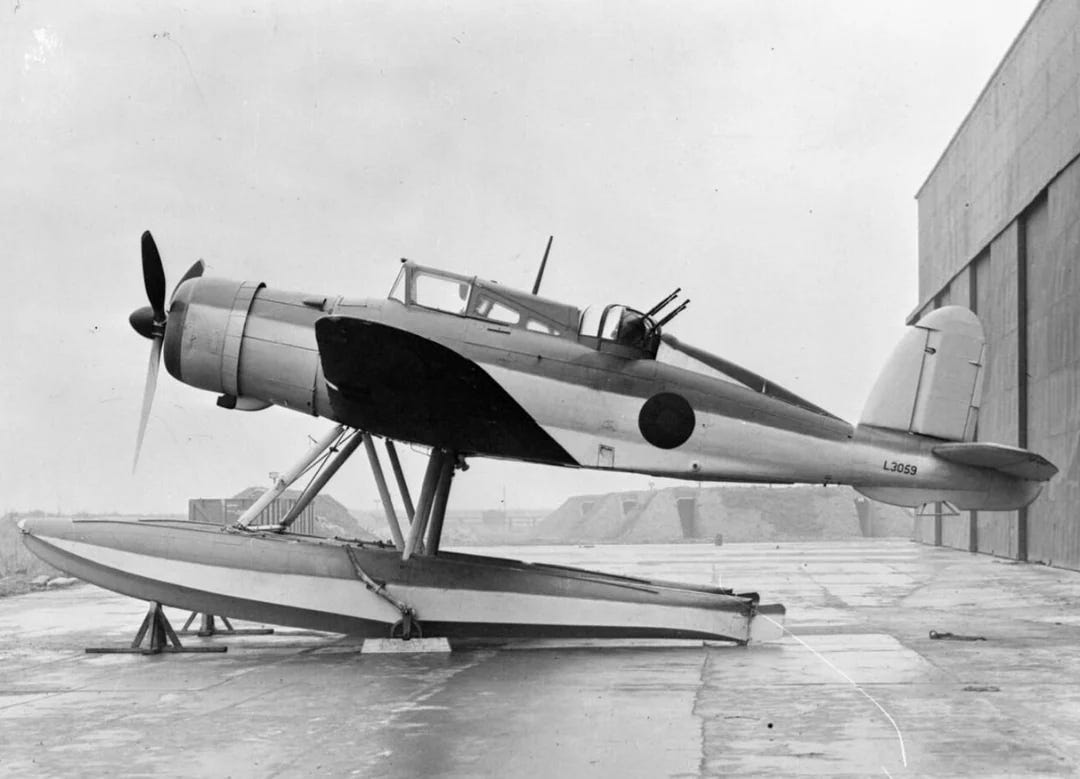
That said the Roc was a liability… In the same way the Defiant was a bad idea strapping a turret to a Skua and calling it a fighter was a really bad idea. The development of the Roc was the answer to creating a carrier bourne fighter to escort Skuas in a type of warfare that no one had really thought out. The idea was that the Carriers would be attacking in areas far away from modern single seat fighters like the Bf 109 or Hurricane so they didn’t need to be as fast or manoeuvrable, just have some more punch than the Skua. They were also working on a budget as the majority of the money went to the RAF and surface fleet. The problem was the Roc was being put into combat conditions it wasn’t designed for but at the same time it wouldn’t have been much help in conditions it was designed for. Slow, unmanoeuvrable and not liked by the crews and whoever strapped floats on the bottom was not a wise man.
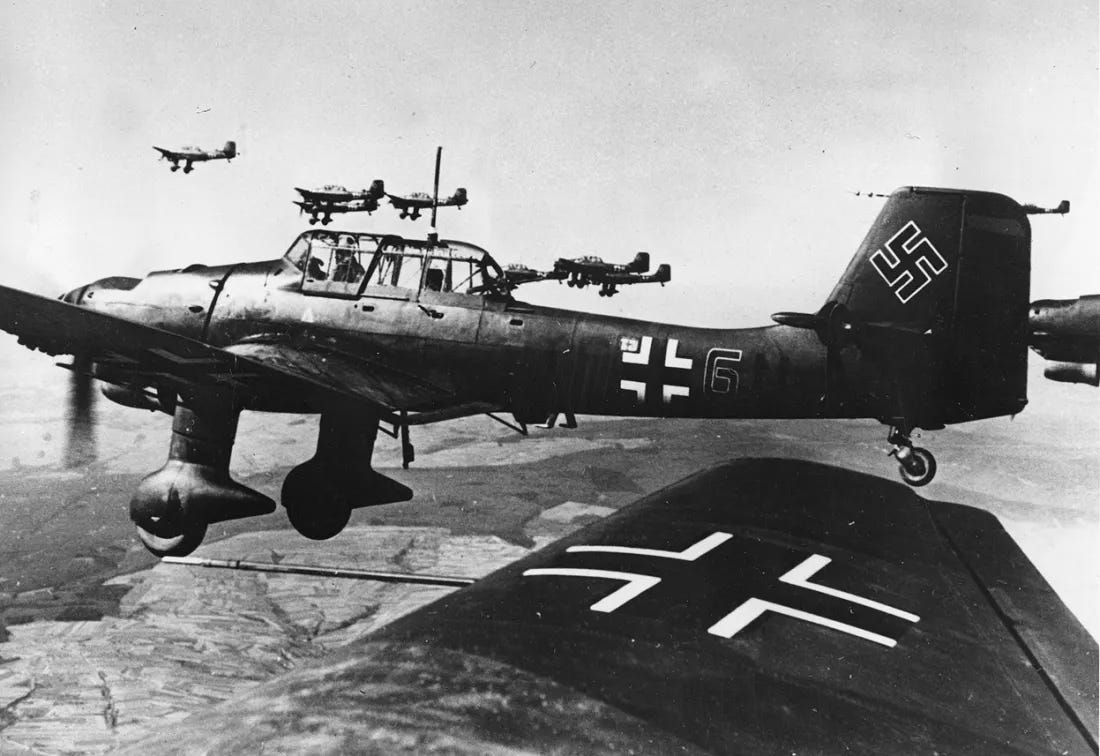
When it comes to the Second World War the most famous image is of the Ju 87 Sturzkampflieger or Stuka dive bombing with the trumpets of Jericho blaring and beyond the Spitfire it is probably the most recognised aircraft of the early part of the War. It is, however, in the same category as the Skua and the Battle in my opinion.
During the Battle of Britain it was found that the Stuka suffered horrendously when there was no fighter escort to the RAF. It was also found that the defensive armament of one Machine gun mounted in the rear was not enough, that it was vulnerable to ground fire and lacked armour - sound familiar?
The difference between the Stuka and the Battle was the success of its campaigns. It had, under a massive fighter umbrella and under conditions of aerial superiority, proved a very exceptional weapon of war through Poland, Norway, Low Countries and France and post Britain went on to continue over Greece, the Balkans, North Africa and in Russia but again under conditions that were favourable to the Luftwaffe.
So why was the Stuka not retired in the same way as the Battle?
Mainly because the Luftwaffe had no other replacements for it in its role of precision bombing and army support where as the RAF would rely more heavily on the Blenheim for this role but not in the close support role and this would later go to the Hurri-bomber and later Typhoon.
Should the Stuka be also referred to as a Flying Coffin? If you think a Battle is then yeah probably but I disagree and say that both aircraft are on a par.
You may have noticed that all of these aircraft are British, does that mean the Luftwaffe did not build any? Are you showing your usual bias for German kit?
Oh gosh yes! Also, no, just that I have worked on these aircraft fairly recently but yeah let’s talk about some crappy German designs (in brief).
Firstly, and this will surprise quite a few people - The Bf 109. Yes I know the Bf 109 is the highest scoring fighter aircraft of all time and one (if not the) most produced fighter and my second favourite Luftwaffe aircraft. There are a few serious issues with it though which qualify it for this title.
The early Bf 109s had serious visibility problems with their boxy cockpits which is a major problem for fighter aircraft where visibility and even the ability to turn your head is quite important but this was not the only aircraft of the time to have this issue. The later models were sadly just continually added to rather than replaced by a new airframe which made them slower and less manoeuvrable in comparison to newer Allied aircraft but this wasn’t the fault that made it a flying coffin.
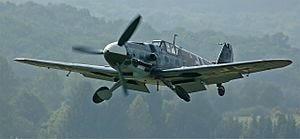
Unlike the Hurricane or Spitfire the undercarriage wheels go up into the wings rather than into the centre of the fuselage which shouldn’t be too much of a problem should it? Well… The sudden weight of the wheels going into the wing could cause instability at the crucial moment of take off or even during landing. For a well trained pilot that shouldn’t prove an issue but for many a new recruit or exhausted veteran it could prove to be a deadly issue costing them their aircraft, life or limb.
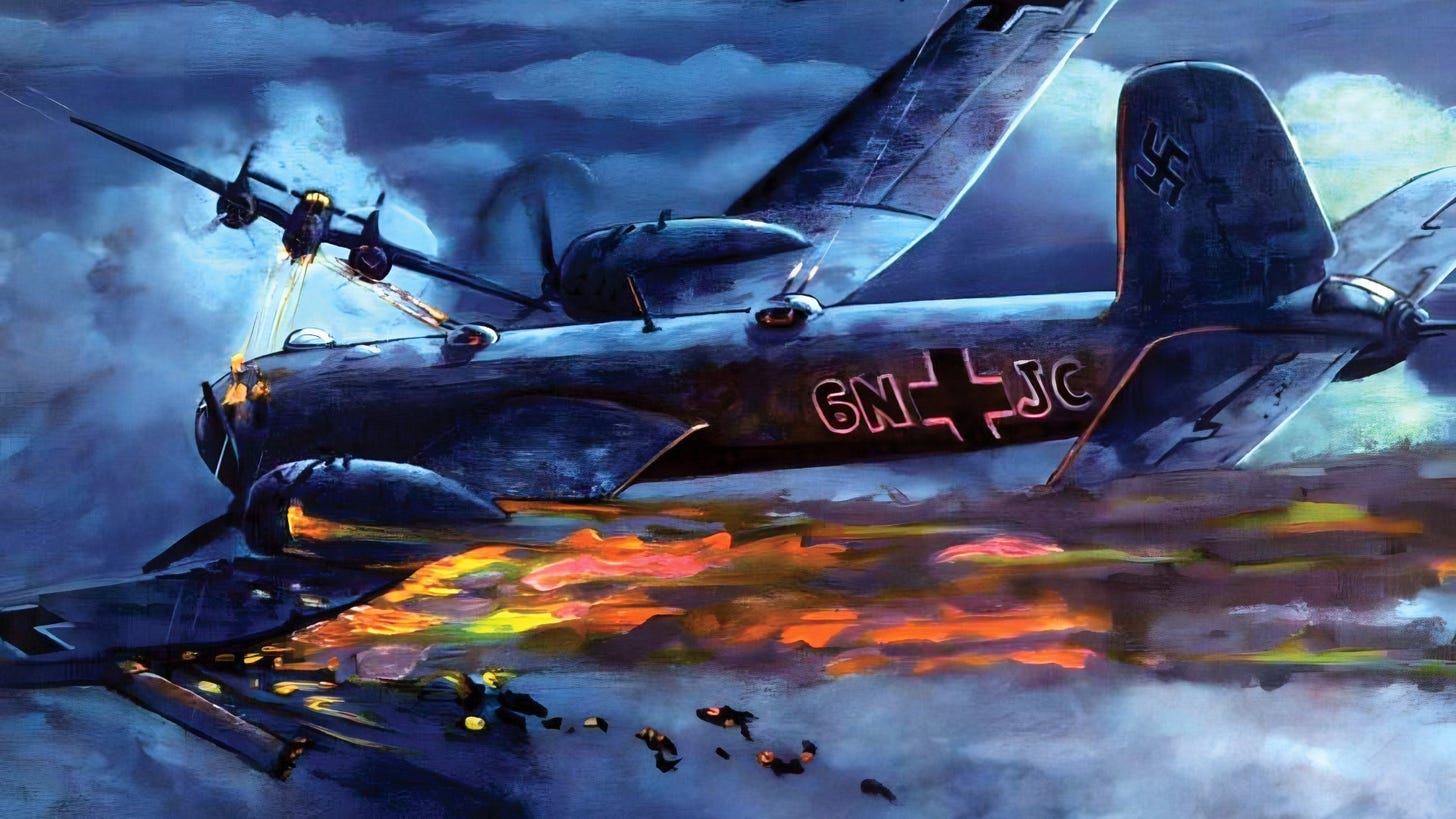
The Heinkel He 177, arguably Germany’s only four-engine bomber and one of the “too little, too late” efforts of the Luftwaffe. The bomber had a very fatal flaw in that due to the nature of the aircraft having two engines in the same cupola which caused overheating issues and fuel pipes running over the engines which had a tendency to burst into flames and earning the aircraft the name “flying firework”. Although the airframe was basically sound as proven by the suggested He 277 which had only one difference - the four engines were in separate cupolas rather than twinned. Ernst Heinkel was certain the issues were solved but Goring refused to greenlight the change for… reasons.
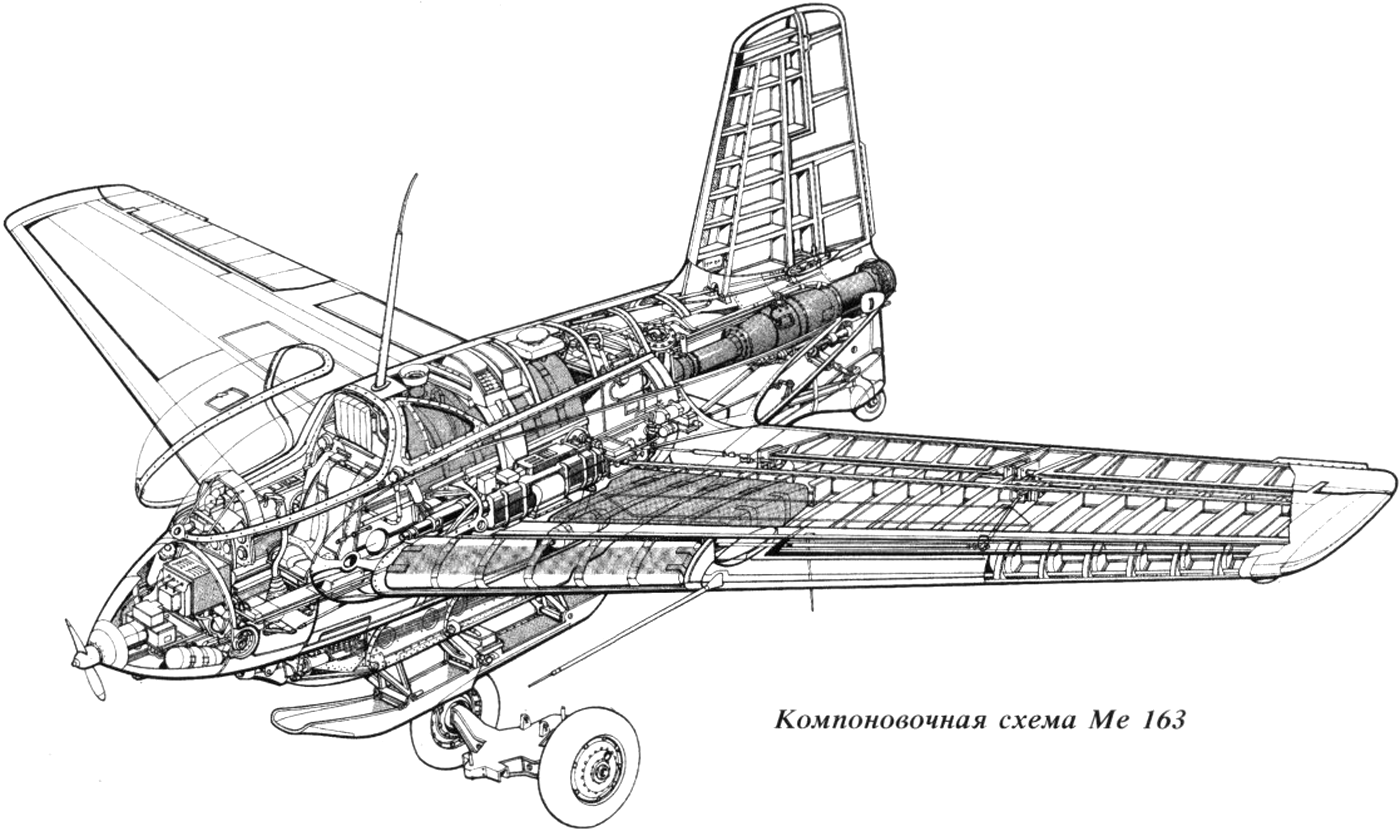
Finally for Luftwaffe aircraft, the Me 163 rocket fighter. This a very short entry as the whole thing was a death trap from start to finish. The biggest issue was the fuel tanks were either side of the pilot and were exceptionally volatile with a habit of exploding or bursting and oxidising the pilot. Another major issue was that the fighter relied on landing on a skid rather than under carriage which meant you had to try and bring the craft down and land on the belly at high speeds. It just sounds terrifying!
Anyway, that's my two cents. Hopefully not a ramble!
Nice, even though I wonder why you left out the He-162 which had this alarming tendency to come apart in flight. The best news about it is that it really didn‘t fly much.
One minor remark: Last time I checked the Spitfire also raises its main undercarriage into the wings. ;-)
Great article but there another Luftwaffe aircraft/flying coffin you missed - the Me 210/410